

I thought I was ready for the future of Acting - Until I discovered what Vertical Dramas were really looking for

Updated: Sep 16
Why great character Actors in Nairobi still miss callbacks - The missing piece is not talent

What is vertical drama acting?
Vertical drama acting is a performance style designed specifically for mobile first storytelling. Unlike traditional television or film, vertical dramas require actors to create emotional impact within seconds, using authentic facial expressions, concise dialogue and strong character choices that translate effectively on smartphone screens. Actors who adapt to this format early are positioning themselves for new opportunities in AI assisted filmmaking, TikTok series, micro dramas and emerging streaming platforms.
The acting industry has never stood still. First came theatre. Then television transformed everything. Streaming platforms changed how audiences consumed stories.
Self tapes became the new standard.
Now another shift is happening, one many actors are only beginning to notice. Vertical dramas, micro-series, AI assisted productions, short form cinematic storytelling.
While some actors dismiss these as social media trends, producers, independent studios and digital creators are discovering entirely new audiences through portrait format storytelling. This is creating opportunities for actors willing to learn a different performance language.
The question is simple. Will you recognize this shift before everyone else does? Or will you only realize it after thousands of actors have already adapted?
As The Casting Room Translator with a Coach's Heart, my goal is not simply to teach acting techniques. My role is to help actors understand what casting professionals are really responding to and how to prepare for the future instead of chasing the past.
That philosophy sits at the heart of my Character Acting PDF inside my Payhip shop.
Character work is not becoming less important. It is becoming more important than ever.
Why this new Acting trend matters
Think about how you consume content today. You probably watch stories while waiting for a bus.
During lunch, late at night, between meetings.
Millions of people now experience dramatic storytelling through a phone held vertically.
That changes everything. A vertical frame naturally pulls audiences closer to an actor's face.
Tiny reactions become huge moments. Micro-expressions become storytelling.
A single glance can communicate what once required an entire speech.
For actors, this is exciting but it also introduces a challenge.
Traditional acting habits do not always translate perfectly into vertical storytelling.
Large physical movements can overwhelm the frame. Slow emotional pacing can lose viewers before the story truly begins.
Generic character choices disappear among thousands of competing videos.
Today's creators need performances that capture attention almost instantly while still feeling emotionally truthful.
Why Character Acting has become your competitive advantage
Many actors believe better equipment will improve their self tapes.
They upgrade cameras, buy expensive microphones, install brighter lights, learn editing software, those things certainly help but here is what casting professionals notice first.
Character. Just before they admire your lighting, before they notice your backdrop, before they appreciate your camera quality, they ask one silent question: "Do I believe this person?"
That question determines whether viewers continue watching.
It is why two actors using identical cameras can receive completely different results.
One simply performs lines. The other becomes someone.
That difference is what my Character Acting PDF is designed to teach.
Not bigger acting. Better character decisions.
Story → Lesson → Action
Imagine two actors auditioning for exactly the same vertical drama.
Both receive identical scripts, own professional lighting, both record with modern smartphones.
Actor One memorizes dialogue perfectly. Actor Two spends time understanding the character's fears, relationships, emotional wounds, physical behaviour and hidden objectives before pressing record.
Who creates the stronger performance? Almost always, Actor Two.
Audiences do not remember dialogue. They remember people.
That is why believable character creation consistently outperforms surface level performance.
That is a skill that remains valuable whether you are auditioning in Nairobi, London, Los Angeles or for an AI assisted independent production.
Character always travels. Technology simply changes the stage.
The opportunity most Actors have not seen yet
Many performers worry AI will replace actors. The evidence so far suggests something different.
AI is accelerating production workflows. Creators can develop concepts faster.
Editors can finish projects sooner. Small teams can produce more content.
None of those advances eliminate the need for emotionally believable performances.
If anything, emotionally authentic actors become even more valuable because audiences can quickly recognize work that feels human.
The future belongs to actors who combine timeless character skills with modern production awareness.
That is exactly why learning character acting today is not about preparing for yesterday's industry. It is about preparing for tomorrow's.
Tomorrow is arriving much faster than most people realize.

How Casting Directors think in the Era of Vertical Dramas
One of the biggest misconceptions actors have is believing that casting directors are only judging acting. They are not.
They are evaluating whether your performance serves the story quickly, truthfully and memorably.
This has always been true but the rise of vertical dramas, micro-series and AI assisted productions has made those first few seconds even more important.
Modern audiences decide within moments whether to keep watching. Producers know this. Directors know this. Casting professionals know this.
That means your character has to arrive before your dialogue does.
Your eyes, posture,breathing, emotional state, everything should communicate that someone with a real history has just entered the screen.
This is one of the biggest ideas explored inside my Character Acting PDF. Great actors do not simply perform emotions, they create people with lives that seem to exist beyond the page.
That difference is often what separates callbacks from silence.
To merge Character Acting, view this PDF to build even more great characters.
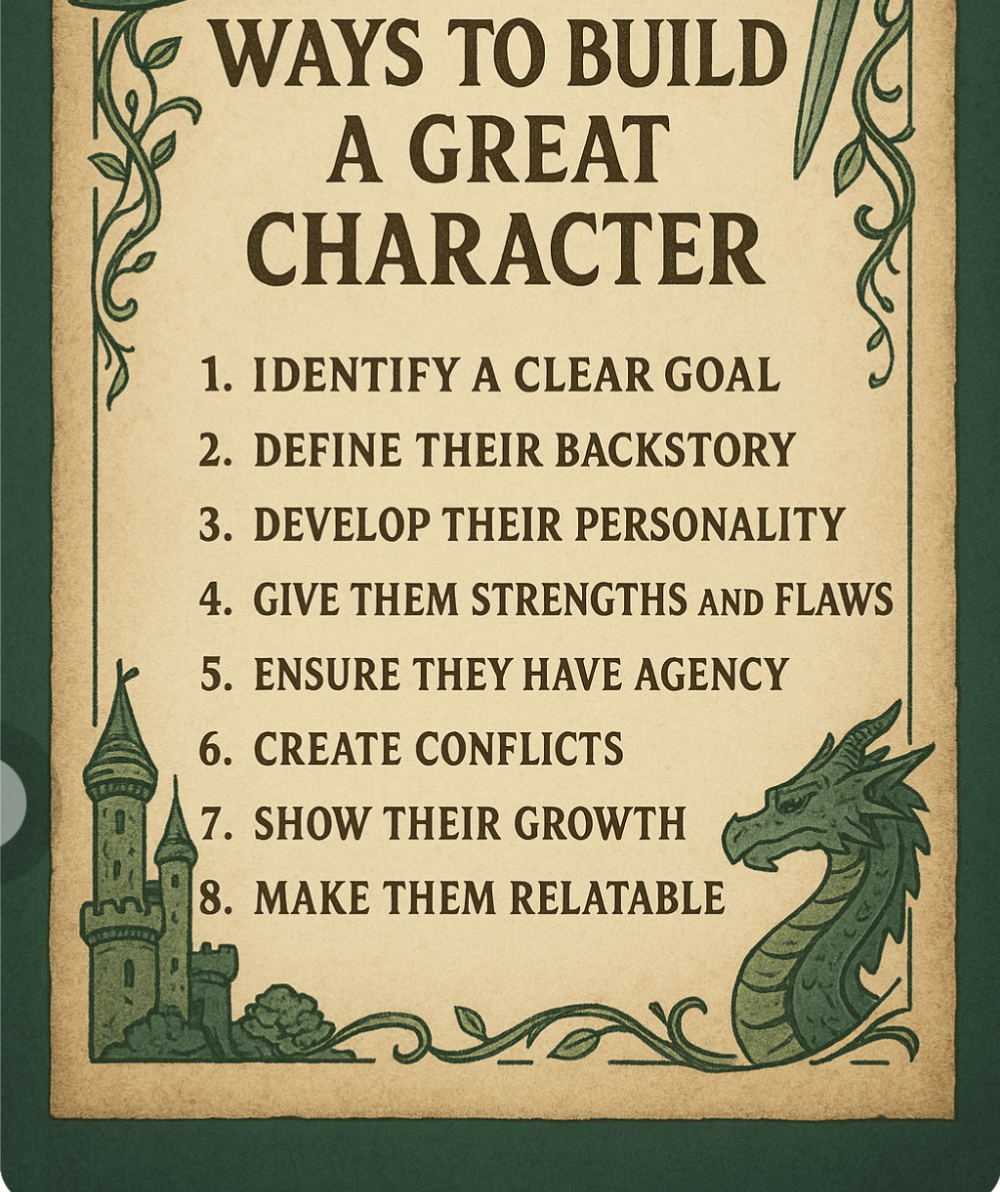
Why Short form storytelling demands better character choices
Many actors assume shorter scenes require less preparation.
Ironically, the opposite is true. When a traditional television scene lasts five minutes, you have time to reveal your character gradually.
A vertical drama might give you thirty seconds. Sometimes less.
You do not have time to "warm up." You must arrive emotionally ready.
Every expression must support the story. Every pause must feel intentional. Every reaction must reveal something meaningful.
This is why character preparation has become one of the most valuable skills an actor can develop.
The audience should not be wondering who your character is. They should feel like they have known them for years.
Before vs After character preparation
Just before:
- Reading the lines once or twice.
- Memorizing dialogue only.
- Hoping emotion appears naturally.
- Making safe performance choices.
- Playing yourself in different costumes.
The result? A technically correct performance that feels familiar but rarely unforgettable.
After:
- Understanding your character's objective.
- Discovering hidden emotional layers.
- Building believable physical behaviour.
- Creating unique vocal patterns.
- Making confident choices rooted in truth.
The result? A character that feels specific, memorable and emotionally alive.
That transformation is not magic. It is preparation.
Five skills every Vertical Drama Actor needs
Whether you are preparing for a TikTok series, a mobile first drama or an independent AI assisted production, these skills are becoming increasingly valuable.
1. Emotional precision
Large emotional swings often feel exaggerated on a phone screen. Small, believable emotional shifts create stronger audience connection.
Sometimes less truly becomes more.
2. Facial storytelling
Portrait framing naturally emphasizes the face. Your eyes often carry more storytelling weight than your words.
Learning how to think as your character, not simply act, is what makes expressions feel authentic.
3. Strong character decisions
Casting professionals remember actors who make interesting choices.
Not random choices. Believable ones.
The question is not, "How can I be different?", it is, "What would this specific person genuinely do?"
4. Camera awareness
Vertical framing changes visual storytelling.
Small movements matter, eye lines matter, stillness matters.
Actors who understand the relationship between performance and framing immediately appear more comfortable on camera.
5. Adaptability
Technology changes, platforms evolve, algorithms shift, character psychology does not.
Actors who master the fundamentals can adapt to almost any storytelling format.
That makes versatility one of your greatest career assets.
The hidden psychology behind memorable characters
One lesson I have learned through years of studying casting psychology is this: Casting directors rarely remember performances. They remember people.
Think about some of cinema's most unforgettable characters.
You remember how they made you feel. You remember their behaviour.
Their emotional truth. Their contradictions.
Not because they were loud because they felt real.
That same principle applies whether you are filming a blockbuster, a television drama or a one minute vertical series.
Real people are always more compelling than actors trying to impress.
That is why my Character Acting guide spends significant time helping actors build layered characters instead of relying on clichés or surface level emotions.
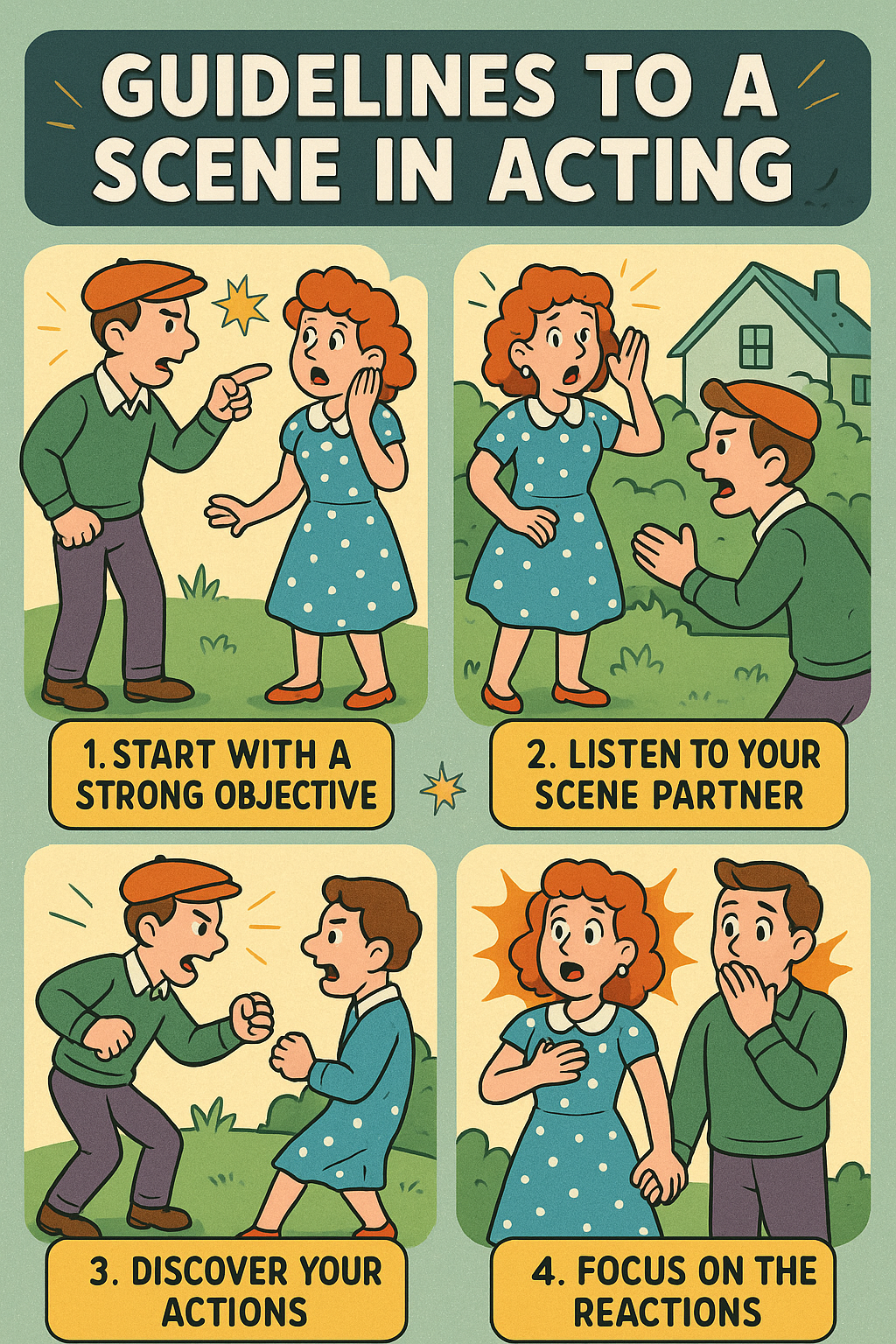
While creating your characters here is a guideline to use them in a scene:

Why this matters for your Long term acting career
Many actors see vertical dramas as temporary trends. History suggests otherwise.
Every major shift in entertainment has created new opportunities for actors willing to adapt early.
Streaming once seemed experimental. Now it is mainstream.
Self tapes once felt unusual. Now they are industry standard.
Short form cinematic storytelling is following a similar path.
The actors who learn these skills today will not simply prepare for one audition.
They will prepare themselves for an industry that increasingly values emotional authenticity, adaptability and memorable character work across every screen size.
The future belongs to performers who remain students of both craft and change.
Fortunately, those two things work beautifully together.
Your character is your competitive advantage
Here is something I wish every actor understood much earlier.
The industry is becoming faster. Casting cycles are shorter. Productions are becoming leaner.
AI is accelerating editing, scheduling, script breakdowns and production planning but there is one thing technology still cannot automate.
A believable human performance. That is where your greatest advantage lives.
The more productions move toward speed, the more valuable authentic actors become.
Whether you are auditioning for a Kenyan television series, a Hollywood feature, a London commercial or a mobile first vertical drama, casting directors continue searching for one thing: Someone who makes fictional people feel real.
That is exactly why I created the Character Acting PDF.
It is not another collection of acting theory. It is a practical guide designed to help you build characters that remain believable under audition pressure, self tape deadlines, callbacks and professional productions.
How the Character Acting PDF fits into your acting journey
Think of your acting career like constructing a building.
Talent is the foundation. Training builds the structure. Character work fills every room with life.
Without believable characters, even technically skilled actors struggle to become memorable.
Inside the guide you will discover practical systems that help you:
Build characters faster
Instead of spending days wondering who your character is, you will learn repeatable methods for discovering objectives, relationships, emotional history and behavioural patterns.
Create bold yet believable choices
Many actors either play it too safely or overcompensate with exaggerated performances.
The goal is not bigger acting. The goal is truthful acting.
You will learn how to make choices that feel specific without feeling forced.
Develop physical and vocal variety
One challenge many working actors face is being told they "always play themselves."
Versatility opens more casting opportunities.
The Character Acting PDF explores practical ways to transform posture, movement, rhythm, voice and energy while remaining authentic on camera.
Stay consistent during Self tapes
Great first takes are exciting. Consistent performances book careers.
Whether you are recording one scene or five callback rounds, your character should remain emotionally connected throughout.
That consistency creates confidence, not only for you but for the casting team watching.
Why character psychology matters more than ever
Today's productions move quickly. Many casting teams review hundreds, sometimes thousands of submissions.
That does not mean they are looking for perfection. They are looking for clarity.
Who is this character? What do they want? Do I believe them?
Those questions are often answered before you have spoken your second line.
When actors understand character psychology, every decision becomes easier.
You stop trying to impress. You start trying to communicate.
Ironically, that is exactly what makes performances memorable.
The future belongs to adaptable Actors
The acting industry will continue changing. AI assisted productions will expand.
Vertical dramas will evolve. Streaming platforms will keep experimenting.
New casting platforms will emerge but every technological shift creates fresh opportunities for actors willing to learn before everyone else.
Those who embrace change early often become the performers producers remember.
Not because they chased trends because they mastered timeless acting principles and applied them to modern storytelling.
Character work is one of those timeless principles. It never goes out of style.
Practical next steps you can take today
Feeling inspired is wonderful. Taking action changes careers.
Start with these three steps:
Step 1: Watch characters instead of Actors
The next time you watch a film or series, do not ask, "Was that good acting?"
Ask:
- Why did I believe this character?
- What physical choices stood out?
- How did the actor reveal emotion without saying it?
Observation trains your instincts.
Step 2: Practice character creation daily
Create characters from ordinary people you observe.
Imagine their history, fears, dreams, their secrets.
This develops the imagination professional actors rely on every day.
Step 3: Invest in your character toolkit
Talent grows through repetition. Skills grow through intentional learning.
Resources that teach practical systems help shorten years of trial and error.
That is exactly why I continue building practical acting PDFs, to help actors move from uncertainty to confidence with techniques they can immediately apply.
What is the most important skill in character acting?
The most important skill in character acting is creating believable, emotionally truthful people rather than simply performing emotions. Strong character actors combine psychological understanding, physical transformation, vocal variety and clear objectives to make every performance feel authentic on screen. These skills improve self tapes, auditions, callbacks and long term career opportunities.
Character Acting for modern Film, Television and Vertical Dramas
Character acting helps performers create authentic, memorable roles that connect emotionally with audiences. As self tapes, AI assisted filmmaking and vertical dramas become more common, actors who understand character psychology, emotional specificity, facial storytelling and adaptable performance techniques are better positioned to earn callbacks and build sustainable careers. Consistent training and practical preparation remain key advantages in every acting market, from Nairobi to Los Angeles and London.
What is character acting?
Character acting is the process of fully embodying a fictional person through emotional truth, physical behaviour, voice, objectives and believable choices that serve the story.
Can beginners learn character acting?
Absolutely. Strong character work is a skill developed through observation, practice, structured techniques and consistent feedback, not natural talent alone.
Does character acting help self tapes?
Yes. Authentic characters immediately capture attention and help performances feel specific, believable and memorable during remote auditions.
Is character acting important for vertical dramas?
More than ever. Short form productions rely on quick emotional connection, expressive facial storytelling and clear character choices because audiences decide within seconds whether to keep watching.
Can strong character work improve callbacks?
It can improve your chances by helping casting teams see a unique, believable interpretation of the role. While no technique guarantees a booking, memorable, well prepared performances are more likely to stand out than generic ones.
Continue building your acting career
Every actor remembers the role that changed everything.
What many people do not see are the hundreds of small decisions that came before it.
Choosing to improve, adapt, choosing to understand the psychology behind memorable performances.
Those choices compound over time.
If you are ready to move beyond simply reading lines and start creating characters that casting directors remember, the Character Acting PDF is designed to become part of your long term toolkit.
Pair it with your other SELF TAPES SECRETS resources on Self taping, audition psychology, acting techniques career strategy and professional development to build a complete roadmap from your very first audition to a sustainable acting career.
Your next opportunity may begin with one audition. The confidence to seize it begins with preparation.
“Self Tape Tips for Actors in Kenya and Worldwide”. Beginner's Guide:


Comments