

Self-Tape Success: Secrets to Stand Out in Auditions

In the competitive world of acting, self-tapes have become a crucial part of the audition process. With casting directors increasingly relying on these recordings to evaluate talent, knowing how to create a standout self-tape can make all the difference in landing your next role. This guide will provide you with essential tips and strategies to ensure your self-tape shines, helping you to present your best self to casting directors.
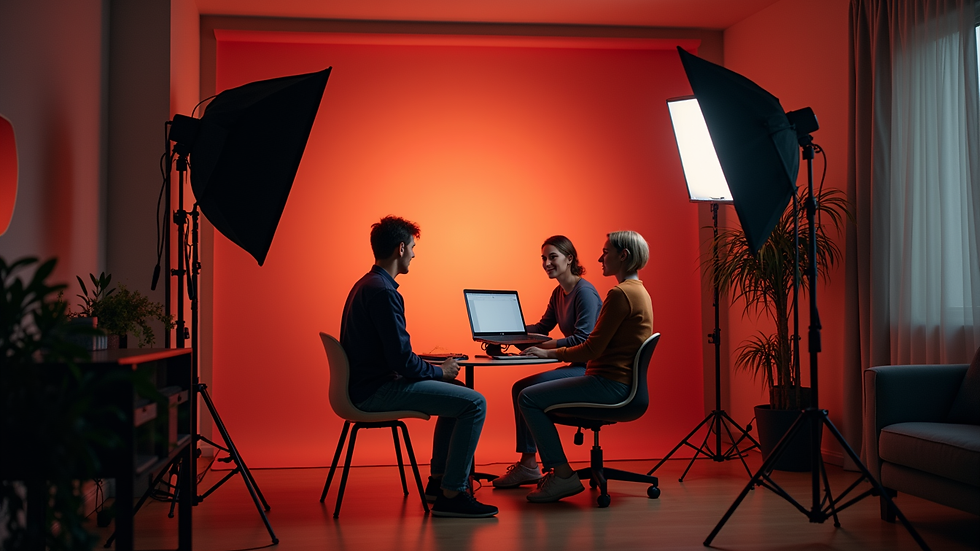
Understanding the Importance of Self-Tapes
Self-tapes allow actors to audition from the comfort of their own homes, providing flexibility and convenience. However, this also means that the competition is fierce, as many actors are submitting tapes for the same role. To stand out, you need to ensure that your self-tape is not only technically sound but also showcases your unique talent and personality.
The Rise of Self-Taping
The shift towards self-taping has been accelerated by the COVID-19 pandemic, which forced many casting directors to adapt to remote auditions. This trend is likely to continue, making it essential for actors to master the art of self-taping.
Benefits of Self-Taping
Flexibility: You can record your audition at a time that suits you, allowing for multiple takes.
Control: You have the opportunity to edit your tape, ensuring that you present your best performance.
Comfort: Performing in a familiar environment can help reduce anxiety and improve your delivery.
Preparing for Your Self-Tape
Preparation is key to a successful self-tape. Here are some steps to ensure you are ready to shine:
Choose the Right Material
Selecting the right monologue or scene is crucial. Consider the following:
Relevance: Choose material that aligns with the role you are auditioning for.
Showcase Your Strengths: Pick a piece that highlights your unique skills and personality.
Length: Ensure the material is appropriate for the time constraints provided by the casting director.
Set Up Your Space
Your recording environment plays a significant role in the quality of your self-tape. Here are some tips for creating an ideal setup:
Lighting: Use natural light or soft, diffused lighting to illuminate your face evenly. Avoid harsh shadows.
Background: Choose a simple, uncluttered background that won’t distract from your performance. Neutral colors work best.
Sound: Ensure your recording space is quiet. Consider using a microphone for clearer audio.
Recording Your Self-Tape
Once you have prepared your material and set up your space, it’s time to record. Here are some tips to keep in mind:
Frame Your Shot
The framing of your shot is essential for a professional-looking self-tape. Follow these guidelines:
Head and Shoulders: A close-up shot that captures your head and shoulders is ideal for most auditions.
Eye Level: Position the camera at eye level to create a natural connection with the viewer.
Avoid Zooming: Keep the camera stationary and avoid zooming in or out during your performance.
Perform with Confidence
When it comes to delivering your lines, confidence is key. Here are some strategies to help you perform your best:
Warm Up: Take time to warm up your voice and body before recording.
Be Authentic: Connect with the material and bring your unique interpretation to the character.
Multiple Takes: Don’t hesitate to record several takes. This gives you options to choose from during editing.
Editing Your Self-Tape
Editing is an important step in the self-taping process. Here’s how to make your tape shine:
Keep It Simple
When editing your self-tape, aim for a clean and straightforward presentation. Here are some tips:
Cut Unnecessary Footage: Remove any long pauses or mistakes to keep the tape concise.
Add Titles: Include your name and the role you are auditioning for at the beginning of the tape.
Limit Effects: Avoid using flashy transitions or effects that can distract from your performance.
Review and Get Feedback
Before submitting your self-tape, take the time to review it critically. Consider the following:
Watch for Technical Issues: Check for any audio or visual problems that need fixing.
Seek Feedback: Share your tape with trusted friends or mentors for constructive criticism.
Submitting Your Self-Tape
Once you are satisfied with your self-tape, it’s time to submit it. Here are some final tips:
Follow Submission Guidelines
Always adhere to the specific submission guidelines provided by the casting director. This may include:
File Format: Ensure your tape is in the requested format (e.g., MP4, MOV).
Length: Keep your tape within the specified time limit.
Naming Conventions: Name your file according to the instructions given (e.g., “YourName_RoleName”).
Include a Cover Letter
A brief cover letter can help personalize your submission. Include:
Your Name: Clearly state your name and the role you are auditioning for.
A Brief Introduction: Share a few sentences about yourself and your experience.
Contact Information: Ensure your contact details are easy to find.
Common Mistakes to Avoid
Even seasoned actors can make mistakes in self-taping. Here are some pitfalls to watch out for:
Poor Lighting and Sound
Technical issues can detract from your performance. Always check your lighting and sound before recording.
Overacting or Underacting
Striking the right balance in your performance is crucial. Avoid going too big or too small; aim for authenticity.
Ignoring Instructions
Casting directors often provide specific instructions for self-tapes. Ignoring these can lead to disqualification.
Final Thoughts
Creating a standout self tape is an art that requires practice and attention to detail. By following the tips outlined in this guide, you can enhance your chances of making a lasting impression on casting directors. Remember, the goal is to showcase your unique talent and personality, so let your true self shine through.
As you embark on your self-taping https://payhip.com/b/qTZCg journey, keep refining your skills and learning from each experience. The more you practice, the more confident you will become, ultimately leading to greater success in your auditions.
Take the next step in your acting career by mastering the art of self-taping. Start recording today and watch your opportunities grow!


Comments