

Transforming drama: How a simple character trick revolutionized my Acting approach in Nairobi's audition

Updated: Jun 27
I used to think my Acting was “Too small” — Until I learned why movie characters feel so addictive to watch

A few months ago, a creator uploaded a simple TikTok. The video was just someone ordering coffee. That is it. The twist? They ordered coffee like they were the emotionally damaged lead in an indie drama. Suddenly the comments exploded:
. “Why is this painfully accurate?”
. “This feels exactly like a Netflix movie character.”
. “I know people who actually act like this.”
Millions of views later, something became very clear: People are obsessed with character behavior. Not just acting or just accents, not just dramatic speeches, just character energy.
That strange, magnetic quality that makes movie characters feel bigger, sharper, funnier, more emotional or more unforgettable than ordinary life.
Right now, actors everywhere from Nairobi to Los Angeles are trying to understand the same thing: “Why do some performances instantly feel cinematic while others feel flat?”
That question is exactly why The Moment Before You Start Acting matters more than ever.
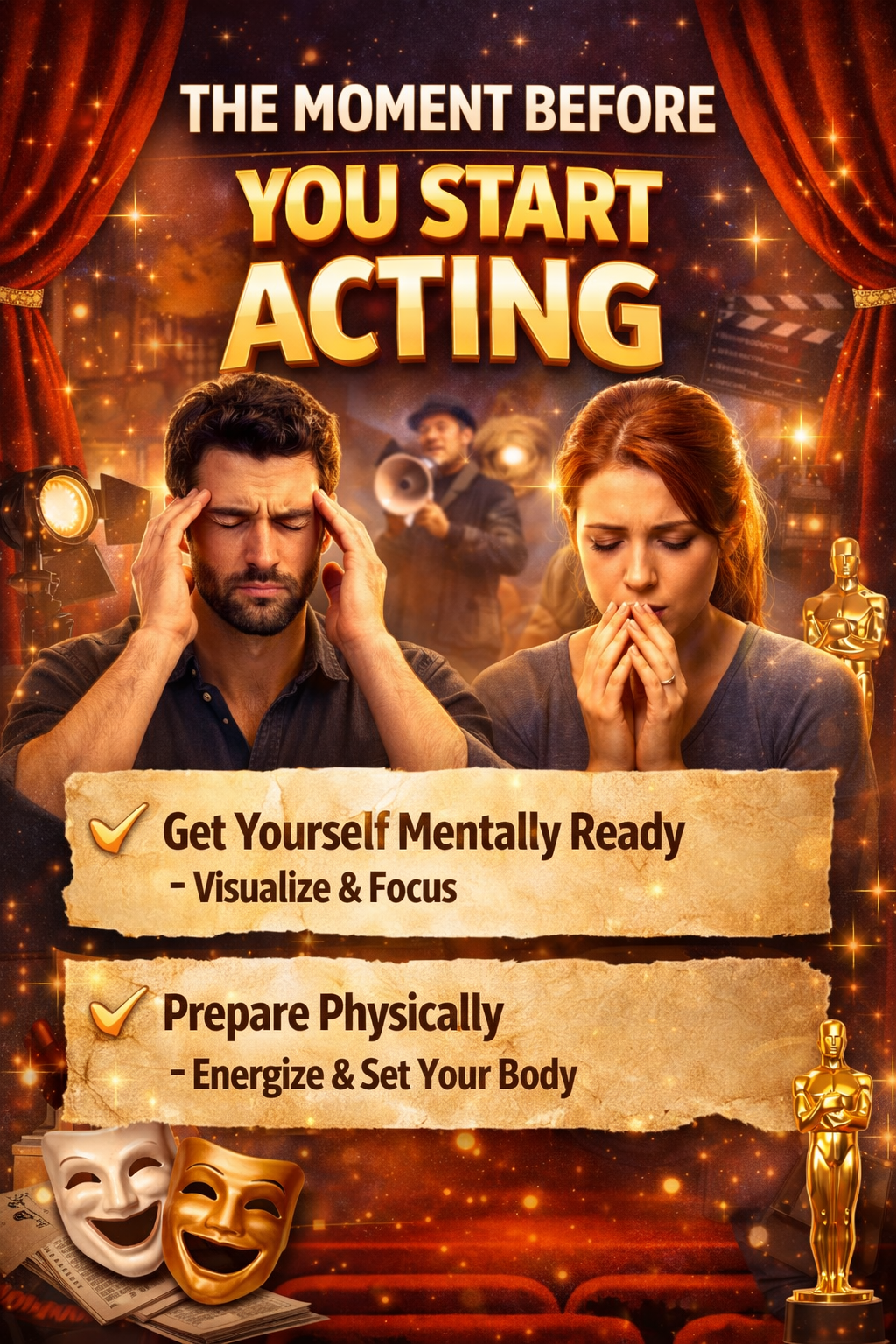
Believable acting does not begin with dialogue. It begins before the scene starts.
The internet accidentally exposed a huge Acting secret
Creators like Delaney Rowe became massively popular by parodying film tropes:
. The quirky indie protagonist
. The emotionally unavailable boyfriend
. The dramatic period piece heroine
. The overconfident action lead
The performances feel hilarious because they exaggerate recognizable character patterns we subconsciously understand.
Here is the deeper acting lesson many people miss: These creators are not randomly being funny. They are using real acting character development techniques.
They understand:
. Rhythm
. Emotional tension
. Behavioural choices
. Vocal patterns
. Physical storytelling
. Character exaggeration
Most importantly? They understand the moment before. Just before the character speaks, they already know:
. Where they came from emotionally
. What they want
. What happened seconds earlier
. What energy they carry into the room
That invisible preparation changes everything.
Why so many Self tapes feel empty
This is becoming one of the biggest frustrations actors discuss online.
. Reddit threads.
. TikTok acting critiques.
. Instagram self tape coaches.
. Kenyan acting creators.
. YouTube performance breakdowns.
The same complaint keeps appearing: “Why do my self tapes feel stiff even when I know the lines?”
Memorization is not the same as embodiment. Many actors start scenes emotionally blank.

They wait for the dialogue to “activate” the performance but professional actors know something different: The scene starts before the scene starts.
That tiny emotional ignition point changes:
. Your eyes
. Your breath
. Your voice
. Your pacing
. Your physical tension
. Your confidence
Without it, performances feel technically correct but emotionally disconnected.
The Actor who finally looked “Watchable”
One actor in Kenya described recording self tapes over and over again.
. Good lighting.
. Clear sound.
. Strong wardrobe.
Something still felt wrong. They looked nervous before every line. Every reaction felt delayed. Every scene started flat. Then they tried one adjustment. Just before pressing record, they spent 10 seconds imagining what happened immediately before the scene. Not intellectually but emotionally.
Suddenly their posture changed. Their eyes looked focused. Their voice relaxed naturally.
For the first time, they stopped “presenting” a performance and started living inside one.
That is the hidden power of The Moment Before You Start Acting.
How Actors build characters
Professional actors build characters through layered emotional and behavioural choices. Strong acting character development includes:
. Emotional history
. Vocal rhythm
. Physical behaviour
. Internal objectives
. Emotional triggers
. Environmental awareness
Actors often use acting exercises for actors such as:
. Substitution exercises
. Sensory recall
. Movement work
. Voice pattern repetition
. Improvisation
. “Moment before” visualization
This preparation creates believable performances because the actor enters scenes emotionally alive instead of mechanically delivering dialogue.
One of the biggest mistakes actors make is trying to “look emotional.” Audiences notice it immediately.
Ironically, the harder actors push, the less believable they become. That is why viral bad acting examples spread so fast online.
Viewers instinctively reject forced behaviour but when actors feel grounded internally, even simple moments become compelling.
A quiet stare, nervous laugh or a tiny hesitation. These subtle details create realism. Realism is what casting directors are desperately searching for.
Why character exaggeration works so well online
The reason exaggerated movie character content performs well is because it reveals recognizable emotional truths. We laugh because we recognize:
. Insecurity
. Ego
. Loneliness
. Romance
. Awkwardness
. Desperation
. Confidence
Great actors amplify those traits without losing humanity.
That balance is difficult and that is why actors constantly search for:
. Acting voice exercises
. Acting performance tips
. Acting character development strategies
. Emotional access techniques
. Self tape confidence tools
Not because they want to “fake it" but because they want to feel believable.

Just before learning “The Moment Before”
. Forced scene openings
. Overthinking dialogue
. Emotion arriving too late
. Nervous self tape energy
. Flat character work
. Weak first impressions
After applying these techniques
. More grounded performances
. Faster emotional connection
. Natural character entrances
. Stronger camera presence
. Better emotional rhythm
. More believable self tapes
The transformation is often immediate. Not because actors suddenly become different people but because they finally stop starting scenes emotionally empty.
Most audiences think great acting is about dramatic moments but casting directors often remember the smallest details instead.
The breath before a line, the hesitation before eye contact and the emotional shift before dialogue begins.
That is why “The Moment Before” matters so much. It creates emotional continuity. Without it, scenes feel disconnected. With it, performances suddenly feel cinematic.
Why this matters right now
The acting industry is changing rapidly.
. Self tapes dominate casting.
. Short form acting content goes viral daily.
. Actors are building audiences online before booking studios.
. Character based content spreads faster than ever.
Which means actors who understand character psychology now hold a huge advantage.
Especially actors who can:
. Create believable emotional shifts
. Embody characters quickly
. Perform naturally on camera
. Start scenes confidently
. Develop memorable energy instantly
That is exactly what this guide trains. Not through complicated theory. Through practical techniques actors can use immediately before auditions, rehearsals, self tapes or performances.
The real reason Actors buy Acting guides
Actors rarely buy PDFs because they want “information.” They buy transformation. They want:
. Confidence
. Clarity
. Stronger self-tapes
. Believable performances
. Emotional control
. Consistency
. Career momentum
Most importantly? They want to stop feeling invisible.
Sometimes the biggest breakthrough does not come from learning hundreds of techniques. Sometimes it comes from mastering one overlooked moment. The moment before.
The breath before the scene, the emotional spark before the line, the invisible preparation audiences never consciously notice but always feel.
That tiny shift changes performances faster than most actors realize.
The actors audiences remember are rarely the actors trying hardest. They are the actors who feel most alive before the scene even starts.
“Self Tape Tips for Actors in Kenya and Worldwide”. Beginner's Guide:


Comments