

The secret behind why Casting Directors in Kenya favour certain Actors before the big scene

Updated: Jun 26
The strange reason some Actors instantly feel “Watchable” on camera

Scroll through TikTok or Instagram long enough and you will eventually land on one of those viral “bad acting reaction” videos. An actor delivers a dramatic line. The music swells. The tears arrive on cue and yet, something feels off.
The comments usually say the same thing:
. “Why does this feel fake?”
. “I stopped believing them halfway through.”
. “This feels like acting acting.”
That reaction matters more than most actors realize. today’s casting directors, filmmakers, Netflix audiences, YouTube creators and self tape reviewers are all developing sharper instincts for believable acting. Viewers may not always understand why a performance fails but they immediately feel when something lacks truth.
That is exactly why STAGES of a Growing Actor was created.
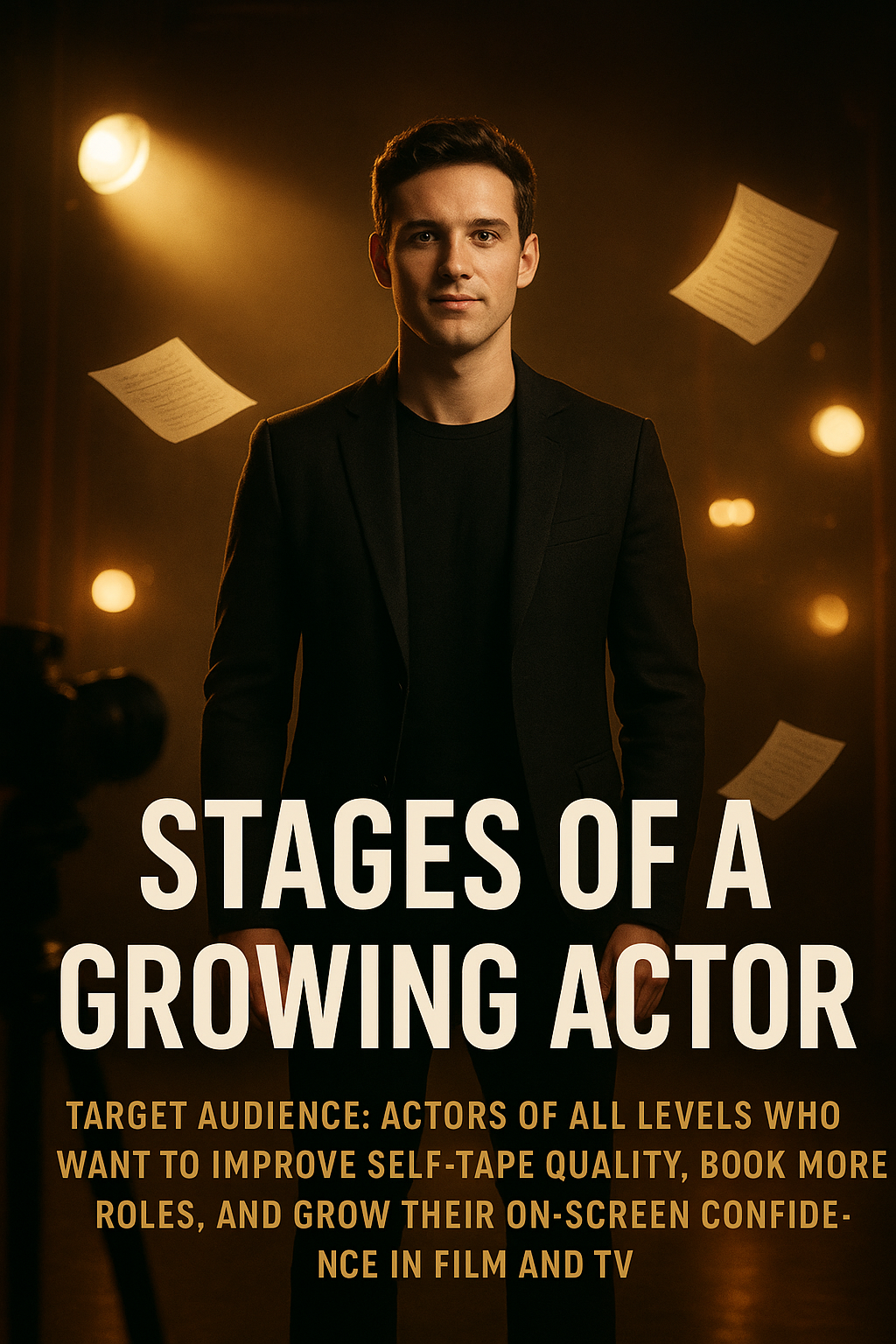
Not to shame actors. Not to turn creativity into perfectionism but to help actors understand the real difference between performing and connecting.
What makes acting believable?
This question is exploding across acting communities in Kenya and worldwide.
Reddit threads, TikTok acting critique videos, Instagram reels breaking down emotional scenes and YouTube creators reacting to bad acting examples.
The conclusion is surprisingly simple: Believable acting is rarely about “doing more.”
It is about emotional truth, listening, timing, confidence and understanding where you are in your growth journey. That is where many actors struggle.
Some actors are still in Stage 1: The Spark and do not yet understand how camera acting differs from theatre.
Others are trapped in Stage 3: The Striver, overpushing performances because they think intensity equals talent.
Some working actors quietly plateau because they never learned how to evolve into Stage 5: The Standout.
This guide helps actors identify those stages clearly without confusion or industry gatekeeping.
The viral problem behind “Bad acting”
Here is the uncomfortable truth nobody explains clearly enough: Most bad acting is not caused by lack of talent. It is usually caused by fear.
. Fear of looking boring.
. Fear of silence.
. Fear of not being emotional enough.
. Fear of rejection.
. Fear of not standing out.
So actors start forcing moments instead of living inside them.
One Kenyan actor shared how they spent months trying to “sound professional” in self tapes. Every line became overly polished. Every reaction became exaggerated. Their auditions looked technically correct but emotionally empty. Then something changed. Instead of trying to impress casting directors, they focused on listening truthfully and reacting naturally. Their performances suddenly felt grounded. Human. Watchable. That shift changed everything.
Not because they became a different actor overnight but because they finally understood what believable acting actually requires.

Skills Actors need to improve performance
1. Emotional honesty
Audiences connect to truth faster than technique. The actors who consistently book roles are not always the loudest or flashiest performers. They are often the actors who feel emotionally present.
This is why less is often more on camera, a tiny reaction captured truthfully can outperform a dramatic monologue performed mechanically.
Inside STAGES of a Growing Actor, actors learn how emotional honesty evolves at every stage of growth from beginner nerves to advanced on-camera confidence.
2. Self tape awareness
Self tapes have changed acting forever. Casting directors now decide within seconds whether they keep watching. Lighting, framing, eyeline, pacing, energy and confidence all shape first impressions instantly. Unfortunately, many actors unknowingly sabotage themselves before the performance even begins.
Common mistakes include:
. Overacting facial expressions
. Poor eyeline placement
. Flat vocal pacing
. Rushing emotional beats
. Sound distractions
. “Trying too hard” energy
This guide helps actors stop guessing and start understanding the psychology behind effective self tapes. Strong self tapes are not luck. They are repeatable systems.
The Actor who thought they were “Untalented”
A young actor once uploaded two audition clips online. The first tape looked stiff and unnatural. The second looked grounded and cinematic. The comments exploded:
. “Huge improvement.”
. “You finally relaxed.”
. “This feels like a real film scene now.”
Here is the interesting part: The clips were recorded only three months apart. What changed? Not genetics, expensive equipment or industry connections. That is what many actors are truly missing. Not talent but direction.
That realization is becoming one of the biggest conversations happening in acting communities today.
Why Actors feel stuck
Many actors secretly live inside the same exhausting cycle:
. Train.
. Audition.
. Get rejected.
. Doubt yourself.
. Compare yourself online.
. Start over.
Without structure, acting growth feels random. That is why so many actors ask:
. “Am I improving?”
. “Why do some actors level up faster?”
. “Why do I freeze during auditions?”
. “Why do my self tapes feel flat?”
. “Am I focusing on the wrong things?”
STAGES of a Growing Actor was designed to answer those exact questions.
Not through academic jargon but through motivational clichés.
Through practical acting performance tips actors can apply immediately.
Stage 1: The Spark
Every actor starts here. Excitement. Curiosity. Passion.
This stage is also dangerous because beginners often absorb bad habits early.
Many actors imitate performances instead of understanding emotional truth. Others obsess over fame before mastering craft.
This stage teaches actors how to build strong foundations before confusion takes over.
Stage 2: The Student
This is where actors begin developing technique. Scene study. Listening skills. Character work. Self tape practice.
Here is the trap: Some actors stay students forever. They keep consuming advice but avoid taking real creative risks.
Growth only happens when learning meets action.
Stage 3: The Striver
This stage feels emotionally intense. Actors begin chasing opportunities seriously. Rejections feel personal. Comparison becomes dangerous.
This is also where burnout often begins. The guide teaches actors how to stay ambitious without emotionally collapsing every time an audition goes wrong.
Longevity matters more than temporary hype.

Stage 4: The Working Actor
This stage changes the mindset completely. Actors stop asking: “Can I do this?” and start asking: “How do I sustain this professionally?”
Networking, reputation, reliability, communication and consistency suddenly become critical career tools.
This is why many talented actors still struggle. Talent alone rarely builds a lasting career. Professional habits do.
Stage 5: The Standout
This is where actors become creative forces. Confident on set. Adaptable. Collaborative. Emotionally intelligent.
They stop chasing validation and start understanding their unique value.
Ironically, this confidence often creates calmer, more believable performances because audiences trust actors who trust themselves.
The best actors are not always the most dramatic. They are often the most present.
That is why reaction videos exposing bad acting resonate so deeply online. Audiences are becoming more emotionally intelligent viewers.
People crave honesty, especially in self tapes and in film, especially now.
Actors who understand that shift early gain a major advantage.
The acting industry is evolving rapidly. Streaming platforms need more actors. Self tape auditions dominate casting.
Social media visibility influences opportunities. Actors are becoming their own marketers, creators and storytellers.
While opportunities are growing, confusion is growing too. That is why actors worldwide are investing in practical acting guides that simplify the journey. Not because they are desperate because clarity saves years.
Perhaps the most valuable part of STAGES of a Growing Actor is this: It helps actors stop panicking about where they should be and start mastering where they actually are.
That shift changes confidence. It changes auditions, self tapes and eventually, it changes careers.
Believable acting does not come from pretending harder. It comes from growing intentionally.
Sometimes the actors who rise fastest are simply the ones who finally understand what stage they are in and what they need to master next.
If you have been searching for practical acting performance tips, clearer direction, stronger self-tapes and a smarter path forward in your acting career, this guide may become one of the most useful tools you add to your creative journey.
“Self Tape Tips for Actors in Kenya & Worldwide”: Beginner's Guide

Comments